
10 Modern Earthy Living Room — Natural Luxury with Warm LED Lighting
Creating a modern earthy living room is about more than just picking a paint color; it is an exercise in balancing the raw beauty of nature with the sleek sophistication of contemporary design. In 2026, the trend of 'Natural Luxury' has taken over interior design, moving away from cold minimalism toward spaces that feel grounded, organic, and incredibly high-end. This aesthetic relies heavily on tactile materials like reclaimed wood, honed stone, and linen, all brought to life through the strategic use of warm LED lighting. Whether you are looking to refresh your current space or are planning a complete overhaul, these ten design concepts will help you master the art of the organic home.
Table of Contents
- The Foundation of Earthy Tones
- Biophilic Design and Natural Textures
- Warm LED Lighting Strategies
- Sustainable Furniture Choices
- The Role of Indoor Greenery
- Layering Textiles for Comfort
- Minimalist Stone Accents
- Open Concept Earthy Living
- Custom Wood Elements
- The Final Touch: Scent and Sound
Designing a modern earthy living room requires a deep understanding of how light interacts with matte surfaces. Much like choosing the perfect nail art on white nails to complement a clean aesthetic, your living room needs a clear focal point. In the following guide, we explore how to blend environmental consciousness with opulent comfort to create a sanctuary that feels both timeless and cutting-edge.
The Foundation of Earthy Tones
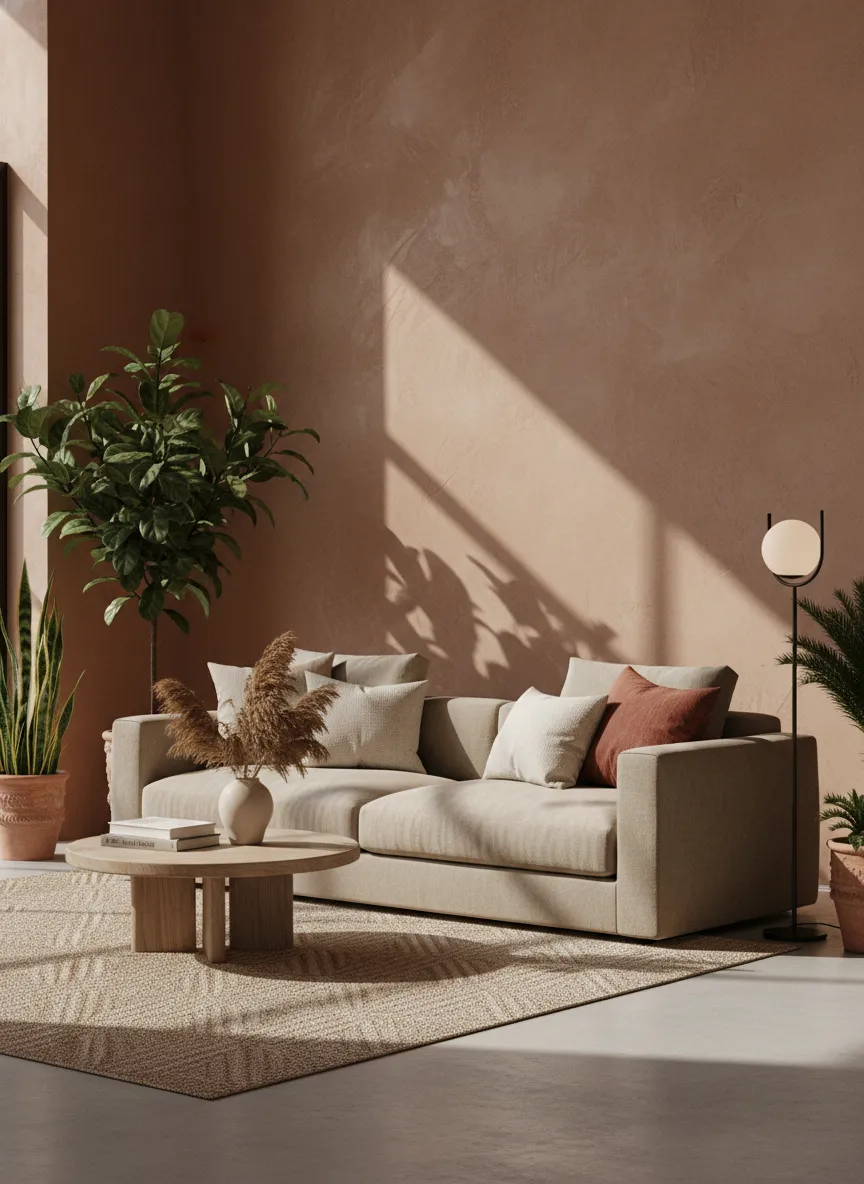
To build a true modern earthy living room, you must start with a palette that reflects the natural world. This doesn't mean sticking strictly to browns; it encompasses terracotta, sage green, sandy beiges, and slate grays. These colors provide a calming backdrop that allows the architecture of the room to shine. When selecting paint, look for lime wash or clay-based finishes that offer a velvety, non-reflective texture. This adds immediate depth to the walls, making the room feel more like a carved-out cave than a standard drywall box.
Historically, earthy tones were seen as 'rustic' or 'country,' but the modern interpretation uses them in a much more structured way. Think of it as a short nude nails approach to interior design: simple, elegant, and universally flattering. By keeping the base colors neutral, you allow the natural grains of wood and the unique veining of marble to provide the visual interest. This foundation is essential for the 'Natural Luxury' look, as it avoids the visual noise of bright, artificial colors that can distract from the quality of the materials used. Pro tip: Always test your earthy swatches under the specific warm LED lighting you plan to install, as the yellow undertones can significantly shift the perceived color of the paint.
Biophilic Design and Natural Textures
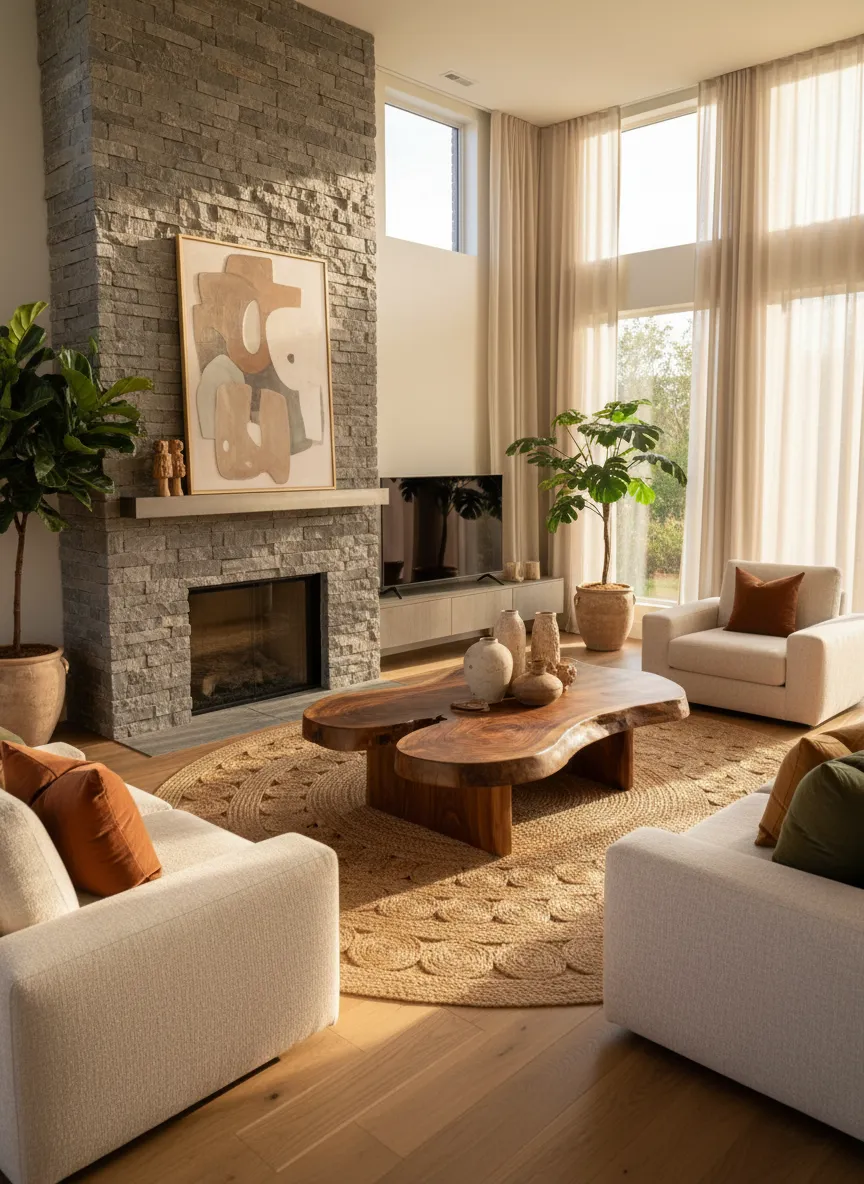
Biophilic design is the practice of connecting humans with nature within the built environment. In a modern earthy living room, this is achieved through the use of 'honest' materials. An honest material is one that isn't pretending to be something else; for example, using real solid oak instead of a wood-print laminate. The tactile experience of touching a cold stone fireplace or a rough-hewn wooden coffee table enhances the feeling of luxury. These textures react beautifully to light, creating micro-shadows that give the room a three-dimensional feel.
Integrating these textures requires a thoughtful balance. If you have a large, smooth leather sofa, pair it with a chunky wool rug or a jute floor covering. This contrast is what makes the space feel 'designed' rather than just 'decorated.' According to Architectural Digest, the move toward organic shapes—like kidney-bean sofas or live-edge tables—is a key component of modern luxury. These shapes mimic the irregularities found in nature, breaking away from the harsh right angles of traditional modernism. Much like how creative short nail designs use varied patterns to create interest, your living room should use varied textures to keep the eye moving throughout the space.
Warm LED Lighting Strategies
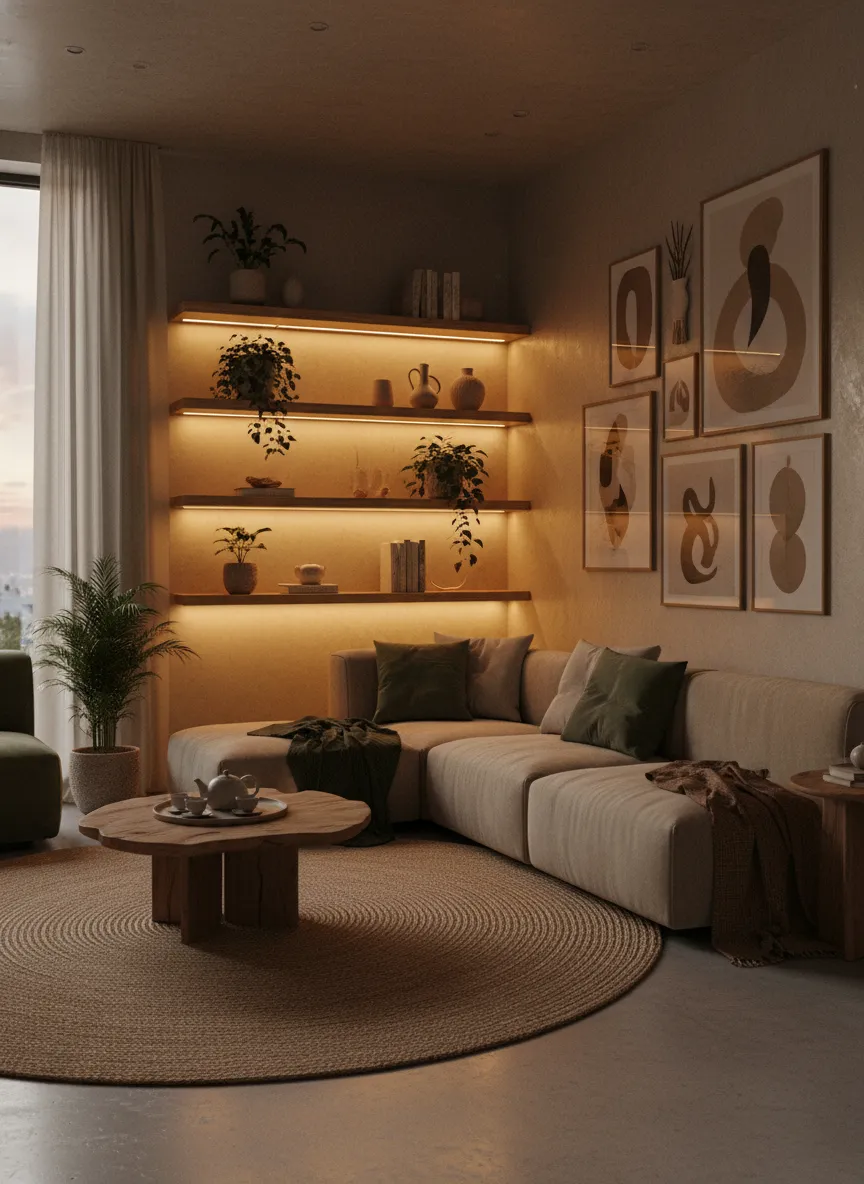
Lighting is the secret ingredient that transforms a cold space into a modern earthy living room. To achieve 'Natural Luxury,' you must move away from overhead 'big lights' and embrace layered, warm LED lighting. Warm LEDs, typically in the 2700K to 3000K range, mimic the golden hour of a sunset. This specific temperature of light enhances the red and yellow pigments in earthy materials like wood and clay, making the room feel glowing and hospitable.
Strategically placing LED strips behind valances, under floating cabinets, or inside bookshelves creates a sense of 'architectural glow.' This technique, often called cove lighting, hides the light source while bathing the surfaces in a soft radiance. This is similar to how a professional photographer uses bounce light to soften a subject. Furthermore, using smart LED systems allows you to dim the lights as the evening progresses, aligning your home with your circadian rhythm. The Lighting Research Center suggests that warm, low-level lighting in the evening can improve sleep quality, making your living room a true wellness retreat. Always ensure your LEDs have a high Color Rendering Index (CRI) of 90+ to ensure the natural colors of your earthy decor are represented accurately and vibrantly.
Sustainable Furniture Choices
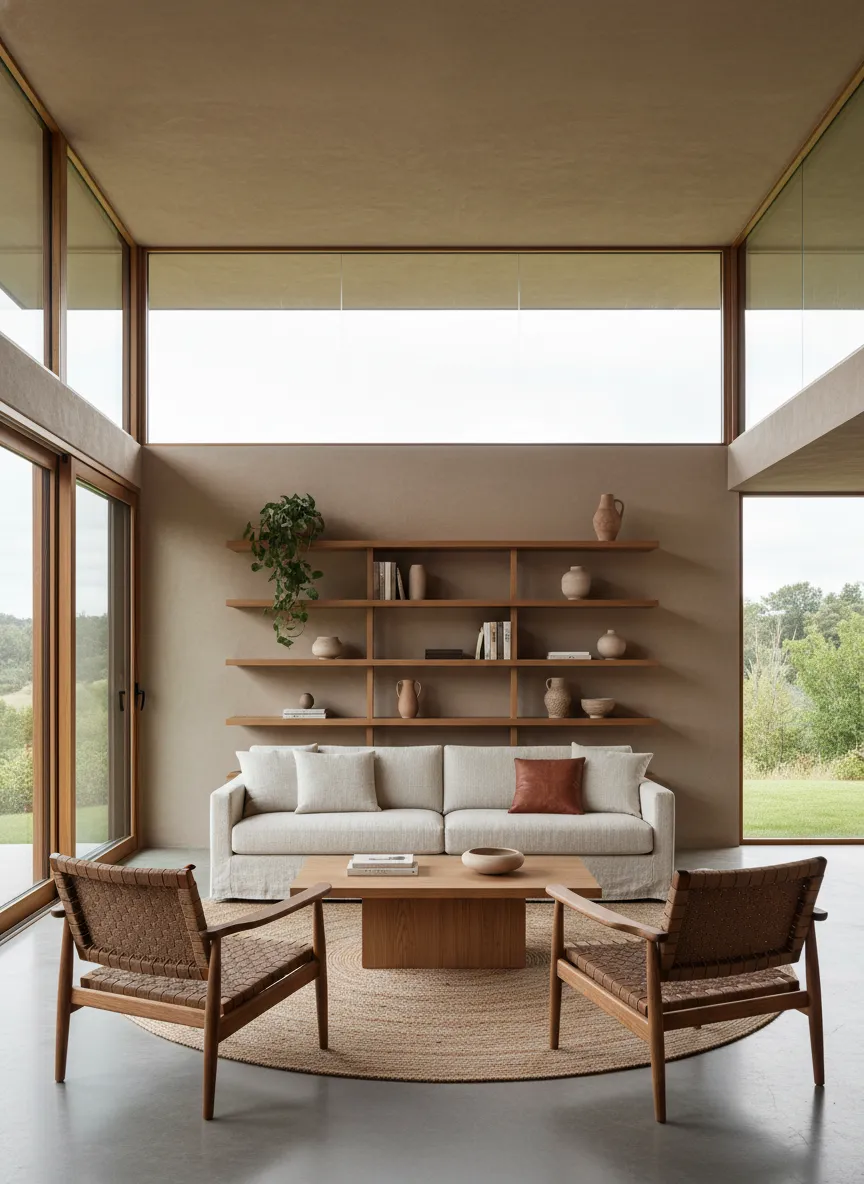
True luxury in the modern age is synonymous with sustainability. A modern earthy living room should feature furniture that is built to last a lifetime, reducing the environmental footprint of 'fast furniture.' Look for pieces made from FSC-certified wood, recycled metals, and organic textiles like hemp or organic cotton. High-end designers are increasingly turning to 'upcycled luxury,' where salvaged materials are reimagined into high-end art pieces. This adds a layer of history and soul to the room that new mass-produced items simply cannot provide.
When choosing your pieces, consider the 'end-of-life' of the product. Can it be easily repaired? Is it biodegradable? Brands that focus on transparency are the new gold standard in luxury. By investing in a few high-quality, sustainable pieces, you create a room that feels curated over time. This approach mirrors the philosophy of quality over quantity, much like investing in a luxury black and silver nails look for a special event—it’s about the craftsmanship and the statement it makes. Sustainable luxury isn't just about the planet; it's about the superior durability and unique character that natural, well-made materials offer the homeowner.
The Role of Indoor Greenery
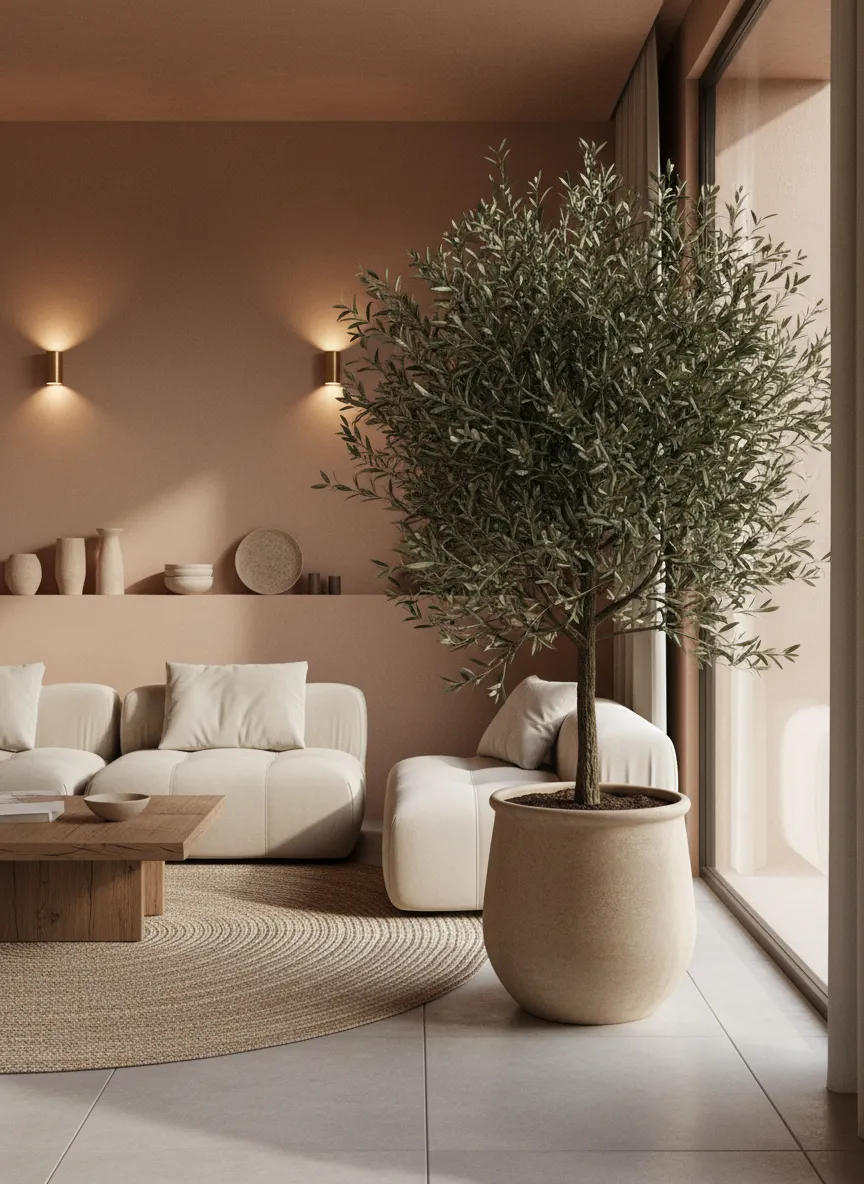
No modern earthy living room is complete without the addition of living plants. Greenery acts as a bridge between the indoor environment and the world outside. However, the modern luxury approach to plants is less about a 'jungle' and more about 'sculpture.' Instead of dozens of small pots, choose one or two large, statement plants like a Fiddle Leaf Fig, an Olive Tree, or a tall Strelitzia (Bird of Paradise). These plants provide height and architectural interest, serving as living art pieces.
For those who may not have a green thumb, preserved moss walls or high-quality dried botanicals like pampas grass can provide the same earthy feel without the maintenance. Plants also serve a functional purpose; according to NASA's Clean Air Study, certain indoor plants can remove toxins from the air, improving the overall health of your home environment. When placing your plants, consider how they interact with your warm LED lighting. Uplighting a large tree from the floor can create dramatic shadows on the ceiling, adding another layer of visual intrigue to your modern earthy living room. The contrast of the organic green leaves against the neutral, earthy tones of the furniture creates a vibrant energy that makes the room feel alive and breathing.
Layering Textiles for Comfort
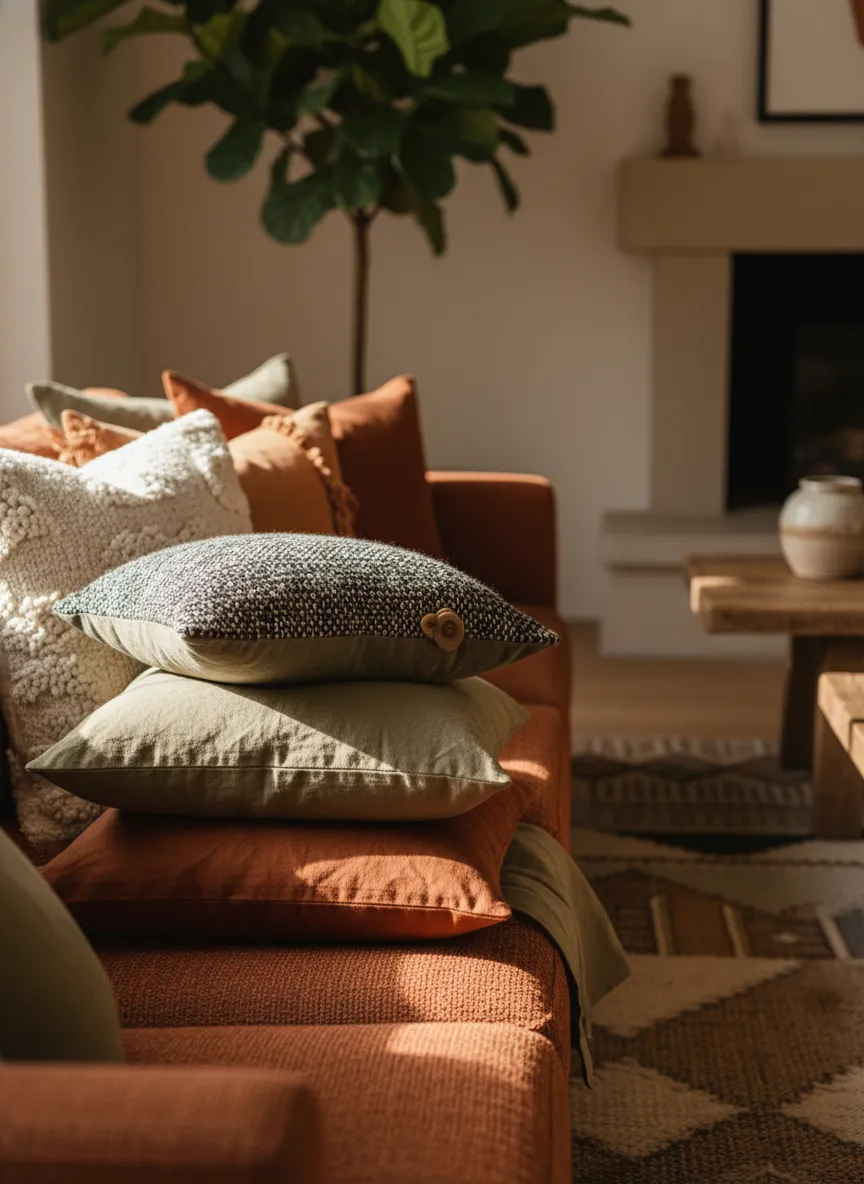
Layering is the key to making a modern earthy living room feel cozy rather than sparse. Natural luxury is defined by the richness of the fabrics used. Start with a large-scale rug in a neutral tone and a subtle pattern. Layer on top of that a mix of cushions in varying materials: silk, velvet, linen, and wool. This variety in 'hand-feel' makes the room feel expensive and thoughtfully put together. The goal is to create a 'nest' effect where every surface invites you to touch it and sit down.
Color-wise, keep the textiles within the same tonal family as your walls but play with different shades. For example, if your walls are a light sand color, use deep chocolate brown or burnt orange for your accent pillows. This monochromatic-adjacent approach is a hallmark of modern sophisticated design. It provides enough contrast to prevent the room from looking flat without breaking the 'earthy' spell. Much like the subtle variations in white ombre nails, these layers should transition smoothly from one to the next, creating a harmonious and unified aesthetic. Don't forget a heavy, knit throw blanket draped over the arm of a chair—it adds both physical warmth and a visual cue for relaxation, which is essential in a space designed for modern living.
Minimalist Stone Accents
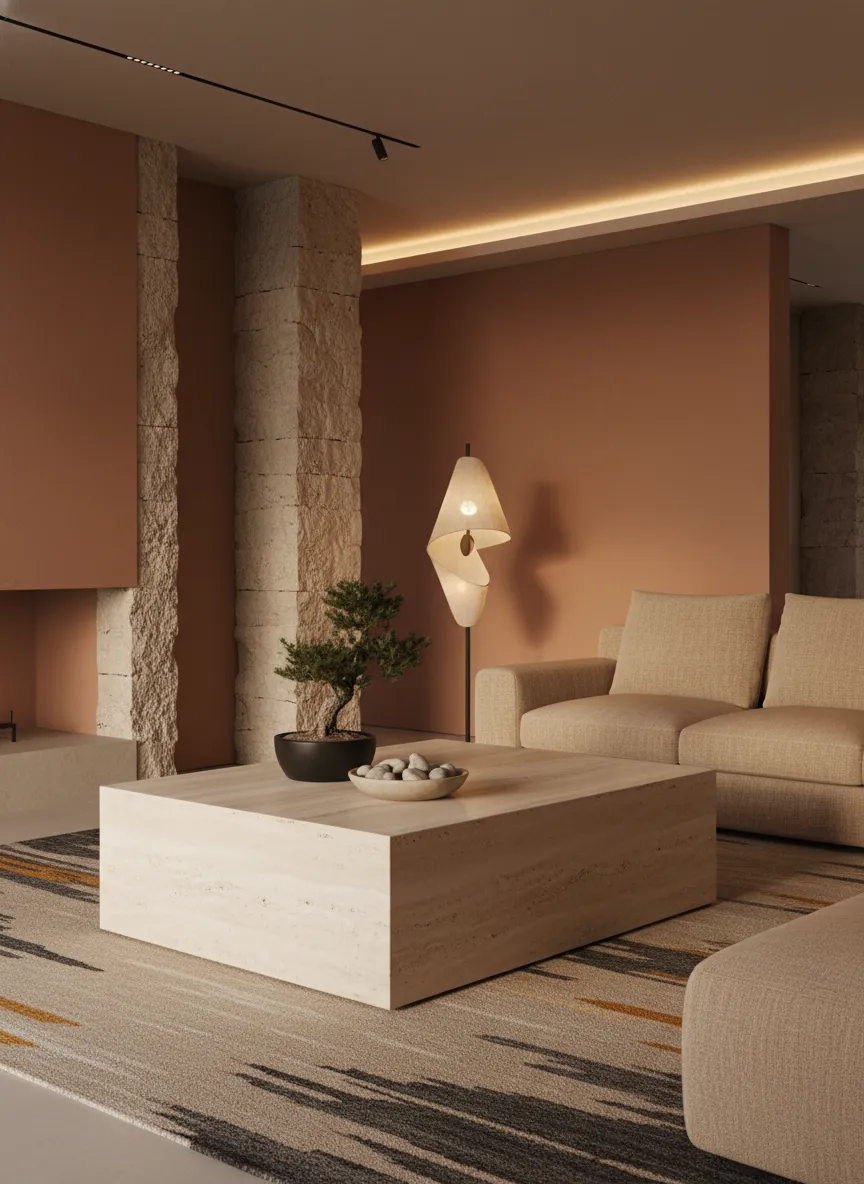
Stone is perhaps the most ancient building material, and its presence in a modern earthy living room instantly adds a sense of permanence and luxury. In a modern context, stone is used in minimalist, clean-lined ways. Think of a travertine coffee table with a matte finish, a marble side table with thick, chunky legs, or even stone-effect plaster on the walls. The key is to avoid the high-gloss, 'shiny' look of the 90s and instead opt for 'honed' or 'brushed' finishes that feel soft to the touch.
These stone elements act as anchors in the room, providing a cool contrast to the warmth of the wood and fabrics. They are the 'jewelry' of the space. Designers often use stone to create a sense of 'wabi-sabi'—the Japanese philosophy of finding beauty in imperfection. A stone table with a slightly irregular edge or a piece of slate with natural clefts adds character and a story to the room. This focus on raw, unrefined beauty is what sets Natural Luxury apart from traditional high-end design. It’s about appreciating the material for what it is, not how much it has been polished. When illuminated by warm LED lighting, the natural minerals within the stone can catch the light, creating a subtle sparkle that feels organic rather than artificial.
Open Concept Earthy Living
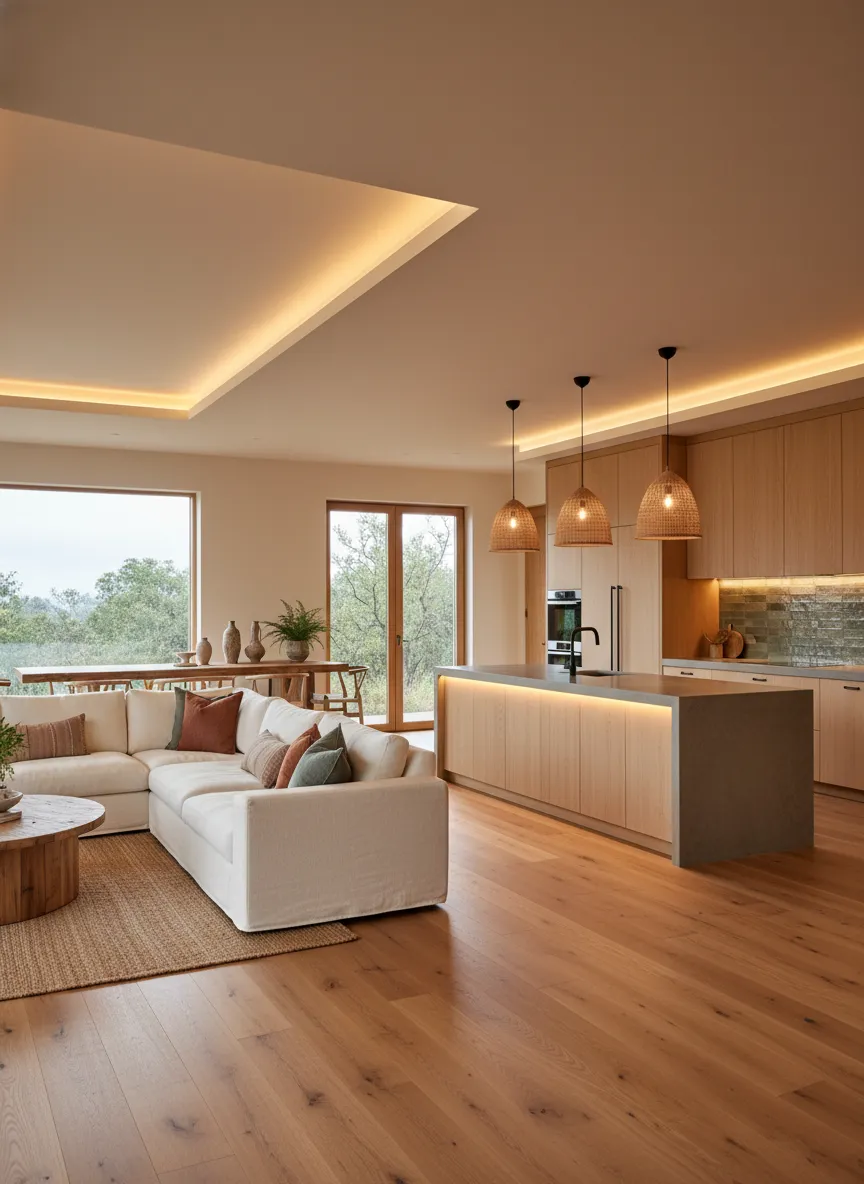
The modern earthy living room often exists within an open-concept floor plan, requiring a seamless transition between the kitchen, dining, and seating areas. To maintain the 'Natural Luxury' feel across a large space, use consistent flooring—such as wide-plank light oak or large-format limestone tiles—to tie the zones together. Use area rugs to define the living room zone specifically, creating an 'island' of comfort within the larger architectural space.
In an open-concept layout, lighting becomes even more critical. You can use different 'scenes' of warm LED lighting to change the mood of the room throughout the day. For example, while the kitchen might have brighter task lighting, the living area should remain dimly lit with accent lights to encourage relaxation. This zoning through light allows for a multi-functional space that doesn't feel cluttered or disorganized. The flow of the room should encourage movement and conversation, with low-profile furniture that doesn't block sightlines to the windows or other architectural features. By keeping the design language consistent—using the same earthy wood species and stone types throughout—you create a cohesive home that feels like a singular, unified sanctuary rather than a collection of separate rooms.
Custom Wood Elements
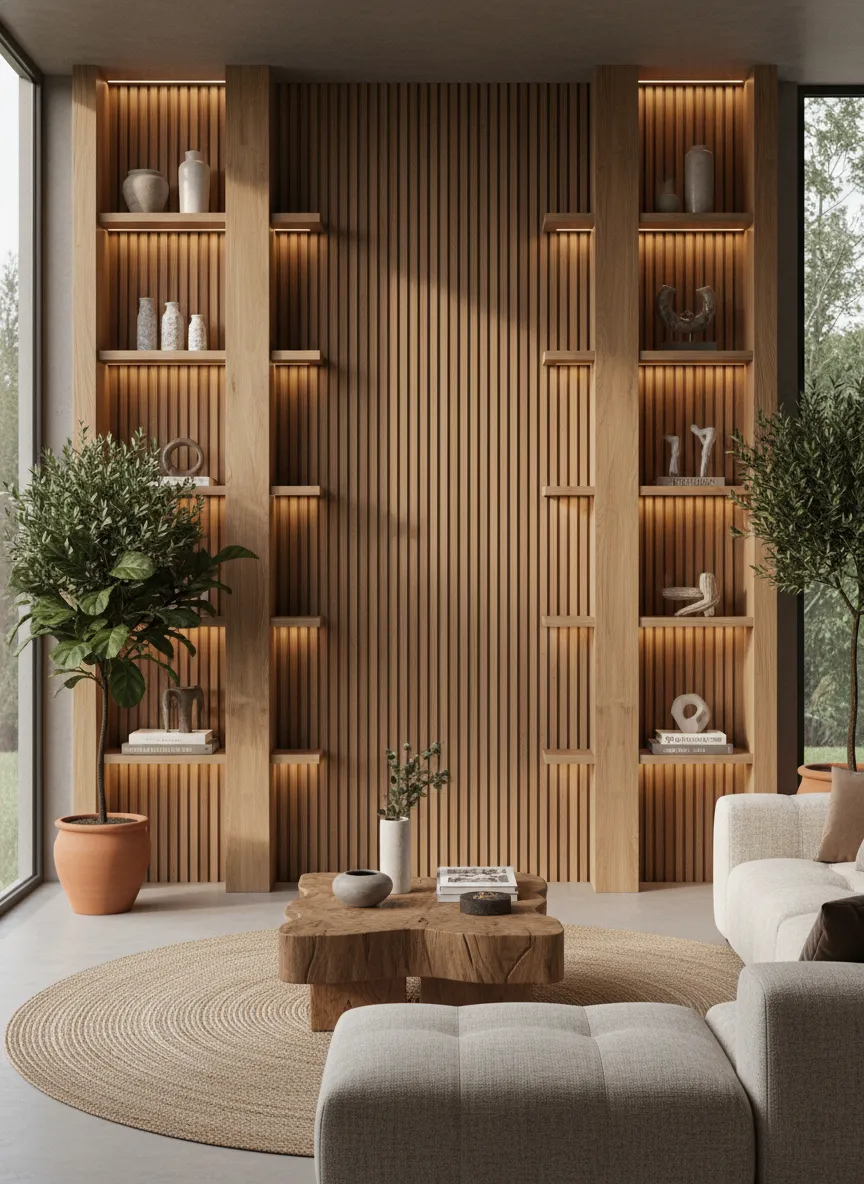
Custom cabinetry and wood paneling are the ultimate expressions of luxury in a modern earthy living room. Instead of standard shelving, consider floor-to-ceiling vertical wood slats (often called 'tambour' or 'slat walls'). This adds a strong vertical element to the room, making the ceilings feel higher while providing incredible acoustic benefits. The repetitive nature of the wood slats is visually soothing and creates a beautiful play of light and shadow when hit by angled warm LED lighting.
Custom built-ins also allow you to hide the clutter of modern life—such as televisions, wires, and gaming consoles—behind beautiful natural wood doors. This 'stealth wealth' approach ensures that the focus remains on the aesthetic and the materials rather than the technology. When selecting wood for these elements, consider walnuts for a darker, moodier feel, or white oak for a light, airy, Scandinavian-inspired look. The grain pattern of the wood should be the 'art' on the walls. Forbes Home notes that custom millwork is one of the highest-value upgrades you can make to a home, both for personal enjoyment and resale value. It transforms a standard living room into a bespoke masterpiece tailored specifically to your lifestyle and taste.
The Final Touch: Scent and Sound
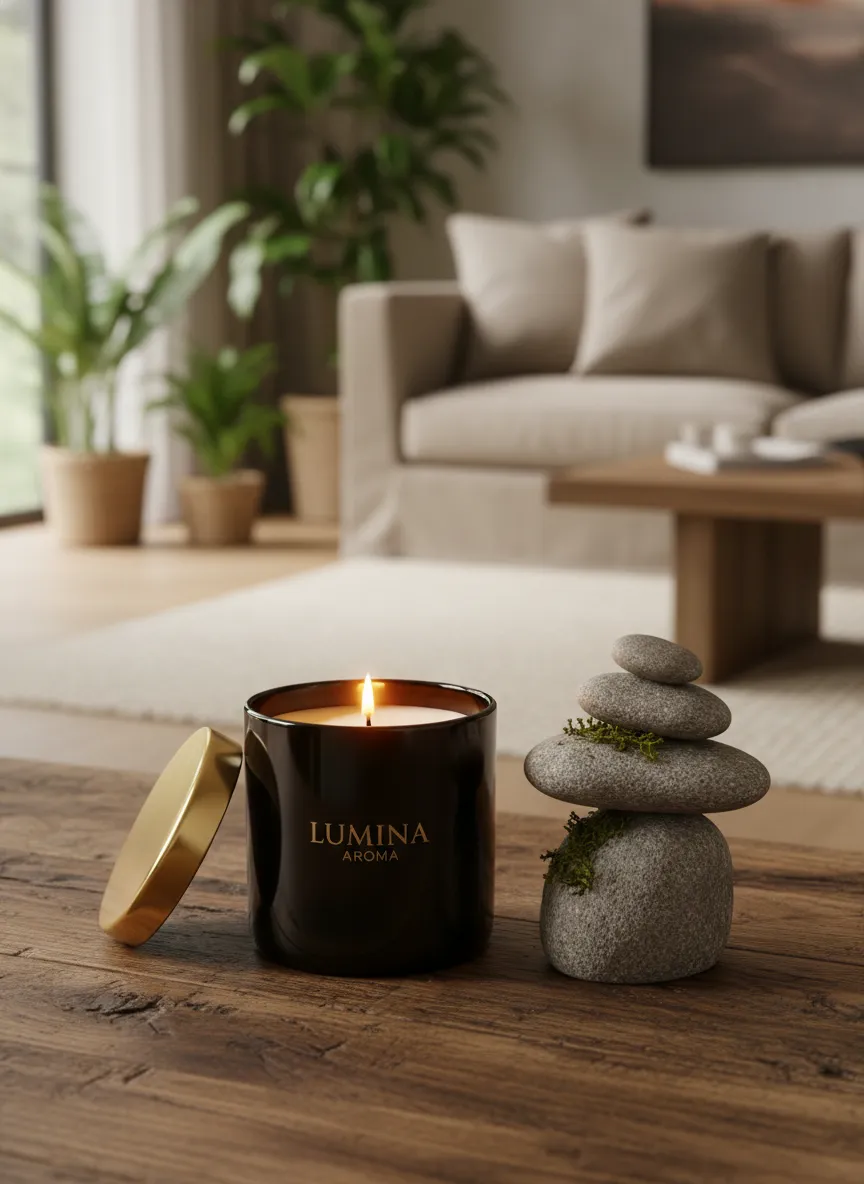
A modern earthy living room is a multi-sensory experience. To complete the 'Natural Luxury' atmosphere, you must consider the invisible elements: scent and sound. An earthy room should smell like a forest after rain, with notes of sandalwood, cedar, vetiver, or amber. High-end diffusers or hand-poured soy candles can provide these scents, grounding the space and triggering an immediate relaxation response in the brain.
Sound is equally important. In a room filled with hard surfaces like stone and wood, acoustics can become 'echoey.' The textiles we discussed earlier—the rugs, curtains, and pillows—all help to absorb sound, creating a 'soft' acoustic environment. For the ultimate luxury, integrate a high-fidelity sound system that is hidden within the decor, playing ambient nature sounds or lo-fi beats at a low volume. This creates a 'soundscape' that matches the visual beauty of the room. The goal is to create an environment where you can truly disconnect from the digital noise of the outside world. When all these elements—the warm LED lighting, the earthy textures, the natural scents, and the soft sounds—come together, you haven't just designed a room; you've created an experience that nurtures the soul and defines modern luxury in its most organic form.